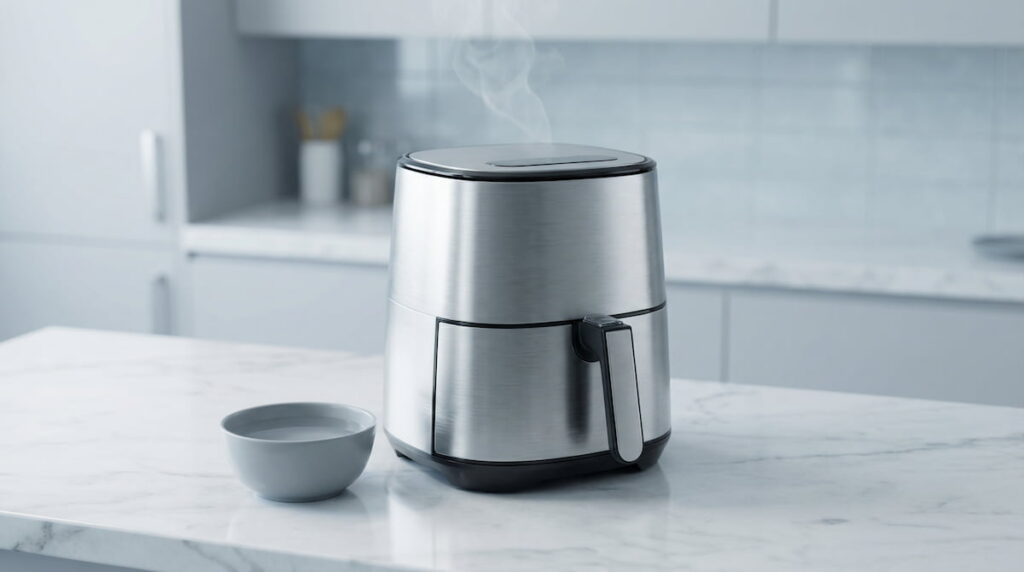
Do air fryers produce smoke? Mine did — badly — the first time I cooked bacon in it. Within five minutes the kitchen was hazy, the smoke detector was going off, and my sons thought something was actually on fire. Nothing was. But it wasn’t a great start.
After that I figured out what was actually causing it and how to prevent it. Here’s the full breakdown — why air fryers smoke, what’s normal, what isn’t, and how to fix each cause.
The Short Answer
Yes, air fryers can produce smoke — but they don’t have to. Smoke from an air fryer almost always has a specific, fixable cause. Understanding which cause you’re dealing with tells you exactly what to do about it.
Cause #1: Fatty Foods Dripping onto the Heating Element
This is the most common cause, and it’s what happened with my bacon. When fatty foods cook in an air fryer, rendered fat drips down through the basket into the drip tray below. If enough fat accumulates, or if the drip tray is already dirty from a previous cook, that fat can reach the heating element and smoke — sometimes heavily.
Bacon, sausage, chicken thighs with skin, and anything heavily marbled are the usual culprits. These foods produce a lot of rendered fat quickly, and an air fryer’s high-speed airflow accelerates the dripping.
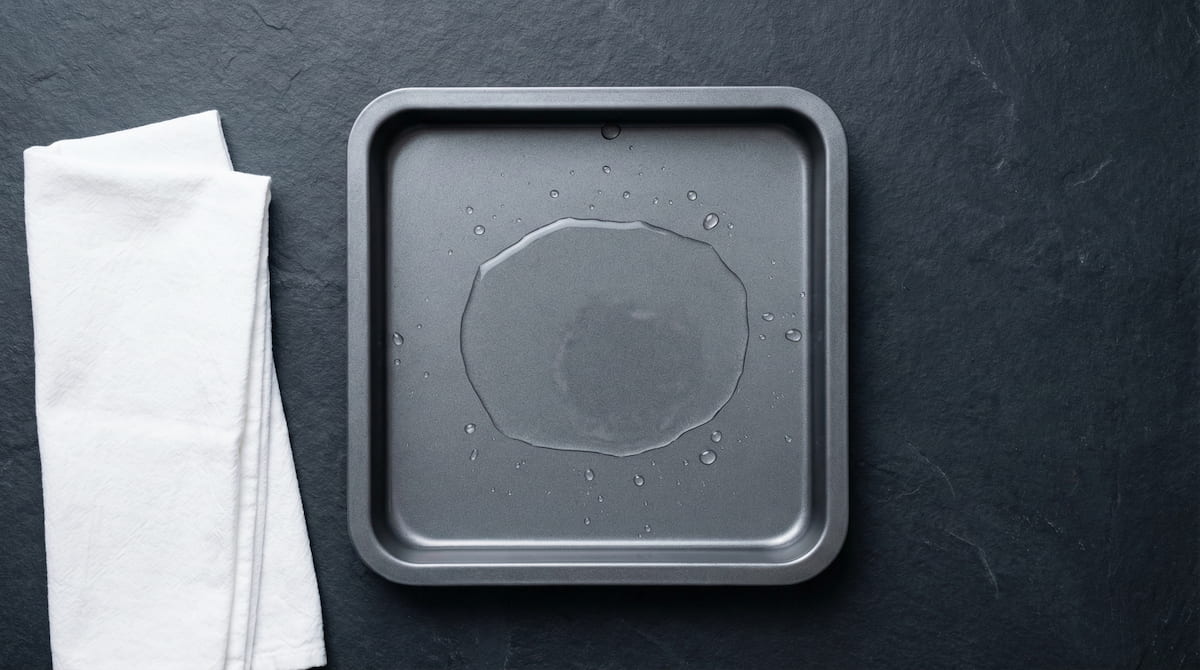
The fix: Add a small amount of water — about 2 tablespoons — to the drip tray before cooking fatty foods. The water keeps the tray cool enough that dripping fat doesn’t reach smoking temperature. It won’t affect the food above. This single change eliminated about 90% of my smoke problems.
Alternatively, line the drip tray with a piece of bread or a small piece of aluminum foil to absorb dripping fat before it pools. Both work well.
Cause #2: Grease Buildup From Previous Cooks
Even if today’s meal isn’t particularly fatty, a dirty air fryer will smoke. Old grease residue in the basket, the drip tray, or on the heating element itself burns during the next cooking cycle and produces smoke — often more than fresh drippings would.
This is the cause people miss most often. If your air fryer smokes even when you’re cooking something lean like vegetables or fish, look at when you last cleaned it properly.
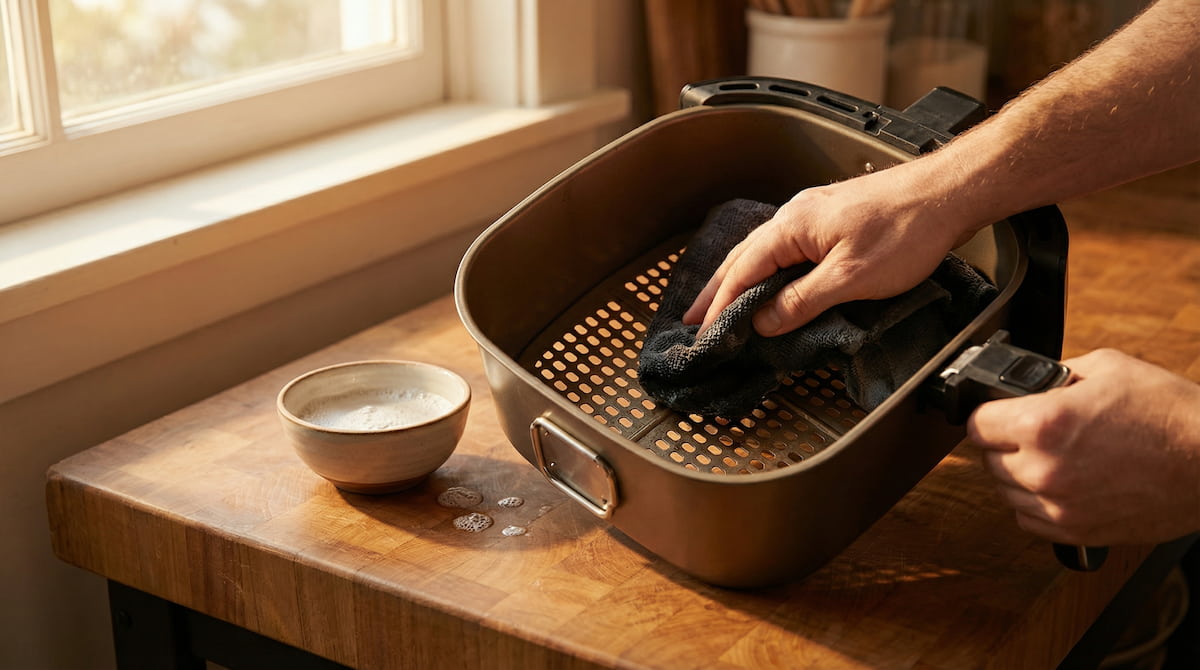
The fix: Wipe down the basket and drip tray after every use. Hot water, dish soap, and a non-abrasive sponge takes less than two minutes. For the heating element itself — which sits at the top of the cooking chamber — a damp cloth or soft brush when the unit is cool and unplugged removes accumulated grease. Do this every few weeks depending on how often you cook fatty foods.
Cause #3: Cooking at Too High a Temperature
Every oil has a smoke point — the temperature at which it starts to break down and smoke. When you spray or coat food with oil before air frying, and then cook at maximum temperature, you can push that oil past its smoke point inside the cooking chamber.
This matters more with certain oils. Extra virgin olive oil has a relatively low smoke point (around 375°F). Avocado oil, refined coconut oil, and refined vegetable oils handle higher temperatures better.
The fix: Match your oil to your cooking temperature. For high-heat air frying (400°F), use avocado oil or refined vegetable oil. Save extra virgin olive oil for lower-temperature cooking or finishing. Also, use less oil than you think you need — a light mist is enough, and excess oil just drips and smokes.
Cause #4: Food Particles Stuck to the Basket
Small bits of breading, seasoning, or food that stuck to the basket during a previous cook will burn during the next session. This produces a distinct, acrid smoke that’s different from fat smoke — sharper and more unpleasant.
The fix: Same as cause #2 — regular cleaning. Soaking the basket in hot soapy water for 10 minutes before scrubbing loosens stuck particles without damaging the coating. For ceramic-coated baskets especially, avoid abrasive scrubbers that can scratch the surface and make food more likely to stick in the future.
Cause #5: New Appliance Burn-Off
If your air fryer is brand new and smoking during the first few uses, that’s almost certainly manufacturing residue — protective coatings and lubricants from the production process burning off. It typically produces a plastic or chemical smell rather than a food-smoke smell.
This is normal and temporary. Run the air fryer empty at 400°F for 15 minutes with the kitchen well ventilated before your first cook. That clears out most of the residue before food is involved.
If the chemical smell persists beyond the first 5–6 uses, that’s worth contacting the manufacturer about.
What Kind of Smoke Is Normal vs. Worth Worrying About
| Smoke Type | Looks / Smells Like | Cause | Normal? |
|---|---|---|---|
| White / gray smoke | Fatty, food-like smell | Fat dripping on heating element | ⚠️ Common, fixable |
| Light haze | General cooking smell | High-heat cooking vapors | ✅ Normal |
| Acrid / sharp smoke | Burnt, bitter smell | Old grease or stuck food burning | ⚠️ Clean the unit |
| Chemical / plastic smell | Sharp, synthetic smell | New appliance burn-off or coating issue | ⚠️ First uses only — then stop |
| Heavy black smoke | Burning smell | Food or grease actively burning | ❌ Stop cooking, clean unit |
Does Air Fryer Smoke Set Off Smoke Detectors?
Yes — mine went off the first time I cooked bacon, and I’ve heard the same from plenty of other people. Air fryer smoke is real smoke and smoke detectors respond to it like any other.
In a small kitchen where the smoke detector is close to the cooking area, even a modest amount of smoke can trigger it. Ventilation is the practical solution — range hood running, window open, and the cooking area reasonably clear of the detector if possible.
If your detector goes off every time you cook fatty foods in the air fryer, the water-in-drip-tray trick I mentioned above is the most reliable fix. It’s made a noticeable difference in my kitchen.
Is the Smoke Harmful?
Cooking smoke in general — from any appliance — contains compounds including aldehydes and fine particulates that aren’t great to breathe in large quantities over long periods. The occasional smoke incident from a fatty cook isn’t a health emergency, but regularly cooking in a smoky, poorly ventilated kitchen isn’t ideal either.
For everyday air fryer use with proper ventilation, the smoke produced during normal cooking is at levels far below what’s considered a health concern. Keep the kitchen ventilated, address the underlying cause of the smoke, and it’s a non-issue.
If PTFE coating breakdown is a concern — which produces fumes rather than visible smoke — I’ve covered that separately in my post on whether air fryers release chemicals when heating up.
The Fastest Fixes Summary
Cooking fatty foods: Add 2 tablespoons of water to the drip tray before cooking.
Smoke from a clean unit: Lower the temperature slightly, switch to a higher smoke-point oil.
Smoke from an older unit: Clean the basket, drip tray, and heating element before the next cook.
New appliance smell: Run a burn-in cycle empty at 400°F for 15 minutes before first use.
Recurring smoke no matter what: Check the heating element for accumulated grease — a soft brush when the unit is cool and unplugged usually fixes it.
Air fryers don’t have to smoke. Once you’ve identified the cause in your specific situation, it’s almost always a one-time fix that makes a permanent difference.
Affiliate Disclosure: This site participates in the Amazon Services LLC Associates Program. If you click a link and make a purchase, I may earn a small commission at no extra cost to you. I only recommend products I’ve personally researched and would use for my own family.