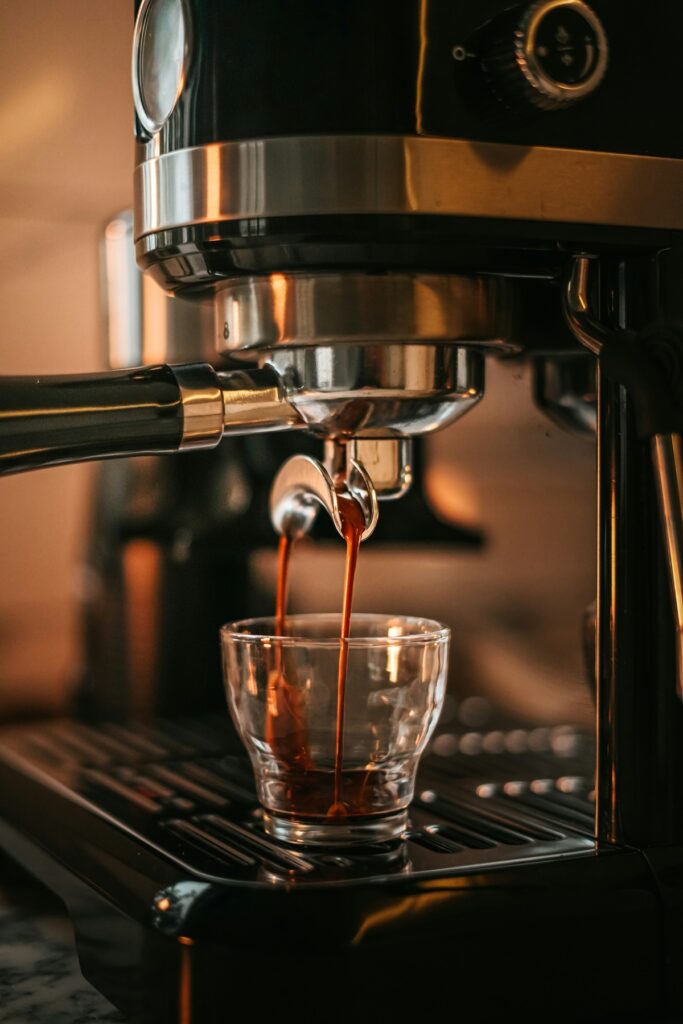
Espresso machines with stainless steel boilers are often preferred by buyers concerned about heat stability and long-term material safety.
This guide focuses on espresso machines that use stainless steel boilers, explaining why they’re often preferred for long-term home use and what trade-offs to consider before choosing one.
Why Boiler Material Matters in Espresso Machines
Espresso machines push hot water through coffee grounds at high pressure.
That means the boiler is exposed to:
- High temperatures
- Repeated pressure cycles
- Daily or near-daily use
When internal components are coated or made from mixed materials, it becomes harder to evaluate long-term durability and exposure. Stainless steel boilers simplify that equation.
What Makes Stainless Steel Boilers Different
Stainless steel is commonly used in professional and commercial espresso machines because it offers:
- Stability at high temperatures
- Resistance to corrosion
- No need for non-stick or chemical coatings
For home users, stainless steel boilers provide material transparency — you know what hot water is contacting during extraction.
Advantages of Stainless Steel Boiler Espresso Machines
Better Long-Term Durability
Stainless steel boilers tend to handle repeated heating cycles more consistently over time.
Fewer Unknown Materials
Unlike coated aluminum or composite designs, stainless steel reduces uncertainty about internal surfaces.
Easier Maintenance
They’re generally more tolerant of descaling and routine cleaning, which helps extend machine lifespan.
Trade-Offs to Be Aware Of
Stainless steel boiler machines are not perfect for everyone.
- They often cost more upfront
- Heat-up times can be longer in some models
- Machines are usually heavier and larger
For users making espresso occasionally, these trade-offs may not matter.
For daily espresso drinkers, durability often outweighs convenience.
Who Should Consider Stainless Steel Boiler Espresso Machines?
These machines are best suited for:
- Home users who brew espresso daily
- People prioritizing long-term reliability
- Buyers who prefer fewer internal coatings and simpler material choices
If convenience or compact size is the top priority, other espresso designs may still be appealing — but material trade-offs should be understood.
Recommended Espresso Machines with Stainless Steel Boilers
Here are three well-known home espresso machines that use stainless steel boilers and are often preferred for durability and material clarity.
Breville Dual Boiler
- Dual stainless steel boilers
- Precise temperature control
- Designed for serious home baristas
Rancilio Silvia
- Commercial-style stainless steel boiler
- Durable internal construction
- Trusted long-term reliability
Gaggia Classic Pro (RI9380/46)
- Stainless steel commercial-style boiler
- Made in Italy
- Strong home barista reputation
- Balanced price-to-performance ratio
A solid mid-range option for daily espresso users who want stainless steel internal construction without entering the premium price tier.
How This Fits into a Non-Toxic Kitchen Setup
Choosing an espresso machine follows the same logic as choosing cookware or appliances:
simpler materials and fewer coatings generally mean fewer long-term unknowns.
Stainless steel boilers align well with a safety-first approach without requiring major changes to brewing habits.
Looking for a Broader Comparison?
Looking for a complete overview?
See our full guide to non-toxic coffee machines.
Related Guides
- Plastic vs Stainless Steel Coffee Makers: Which Is Safer?
- Best Plastic-Free Drip Coffee Makers
Final Thoughts
Stainless steel boilers are not about chasing perfection — they’re about reducing uncertainty.
For home espresso users who value durability, consistency, and material clarity, they remain one of the most practical long-term choices available.
Want a full comparison across drip, pour-over, and espresso models?
Leave a Reply