• Are Glass Air Fryers Better? Safety, Pros & Best Picks (2026 Guide)

    Many buyers today are asking a serious question:

    Are glass air fryers safer than plastic or non-stick models?

    With growing concerns about PFAS, Teflon coatings, and microplastics, glass air fryers are becoming more popular — especially among health-focused households.

    In this guide, we’ll break down:

    • Whether glass air fryers are actually safer
    • Pros and cons compared to plastic models
    • Who should (and shouldn’t) buy one
    • The best glass-style options available in 2026

    Why Trust This Guide?

    At GlobalTrend Lab, we focus specifically on non-toxic kitchen appliances and PFAS-related safety concerns.

    This guide compares glass air fryers based on:

    • Food-contact surface materials
    • Coating exposure risk
    • Long-term durability
    • Real-world practicality

    —not just marketing claims.


    Why People Are Choosing Glass Air Fryers

    Traditional air fryers often use:

    • Non-stick coated baskets (PTFE / Teflon-based)
    • Plastic outer housing near heat zones
    • Coatings that may degrade over time

    Glass air fryers reduce direct food contact with coated metals.

    Most glass-style models use:

    • A borosilicate glass bowl
    • Stainless steel heating components
    • Minimal food contact with plastic

    For buyers concerned about chemical exposure, that’s a major selling poin


    Are Glass Air Fryers Actually Safer?

    Short answer: They can be — but it depends on the model.

    ✔ Advantages of Glass Air Fryers

    • No direct non-stick coating touching food
    • No flaking basket coating over time
    • Easy to visually monitor cooking
    • Typically dishwasher-safe glass bowl

    ⚠ Limitations

    • Heavier than basket-style models
    • Can break if dropped
    • Fewer models available
    • Not all “glass” models are fully plastic-free

    Important:
    Even glass air fryers still contain plastic components externally. The safety benefit mainly applies to the cooking chamber.


    Glass vs Plastic Air Fryers – Side-by-Side Comparison

    FeatureGlass Bowl ModelPlastic / Non-Stick Model
    Food-contact coatingNonePTFE / Ceramic (varies)
    Risk of coating wearNonePossible over time
    WeightHeavyLightweight
    Impact resistanceFragileMore durable
    Cooking visibilityFull 360°Limited
    Model availabilityLimitedVery wide

    If your priority is minimizing synthetic cooking surfaces, glass has an edge.

    If you prefer lightweight convenience and wide model selection, traditional basket models may be easier.


    Best Glass Air Fryer Options (2026)

    Below are some of the most reliable glass-style air fryers currently available.


    1️⃣ Ninja Crispi 4-in-1 Portable Glass Air Fryer System

    Why it stands out:

    • Borosilicate glass cooking container
    • Multi-function air fry system
    • Strong brand reliability
    • Modern design

    Best for: Buyers who want a trusted brand with a glass-container option.

    Pricing may vary. Click to see current availability.


    2️⃣ Big Boss 16-Quart Glass Air Fryer

    Why it stands out:

    • Large 16-quart capacity
    • Affordable price point
    • Visible 360° cooking
    • Popular family-size option

    Best for: Families or batch cooking.


    3️⃣ NutriChef Glass Bowl Air Fryer

    Why it stands out:

    • Compact footprint
    • Simple mechanical controls
    • Budget-friendly entry option

    Best for: First-time buyers testing glass style.


    Who Should Buy a Glass Air Fryer?

    Glass air fryers are ideal for:

    ✔ Health-conscious households
    ✔ Buyers avoiding non-stick coatings
    ✔ Families concerned about PFAS exposure
    ✔ People who prefer visual cooking monitoring

    They may not be ideal if:

    ✖ You want lightweight portability
    ✖ You need compact storage
    ✖ You frequently move appliances


    Are Glass Air Fryers Completely Non-Toxic?

    Glass models reduce direct exposure to non-stick coatings.

    However:

    • External plastic components still exist
    • Heating elements are typically stainless steel
    • Electrical parts remain standard

    If your goal is minimizing food contact with synthetic coatings, glass is one of the safest options available.


    Frequently Asked Questions

    Do glass air fryers contain plastic at all?

    Yes. Most models include external plastic housing, but food-contact surfaces are usually glass and stainless steel.

    Is borosilicate glass heat-safe for air frying?

    Yes. Borosilicate glass is designed to withstand high heat and rapid temperature changes.

    Are glass air fryers PFAS-free?

    Most glass models avoid PTFE coatings, but always verify manufacturer specifications.

    Do glass air fryers cook differently?

    Performance is similar to basket models, though heat circulation may vary slightly.


    Final Verdict: Is Glass Worth It?

    If your top priority is minimizing food contact with synthetic coatings,
    a glass air fryer can be a smart long-term choice.

    However, glass models remain a niche category.

    For many buyers, a high-quality PTFE-free or ceramic-coated air fryer may offer a better balance between durability and convenience.
  • Best Espresso Machines with Stainless Steel Boilers for Home Use

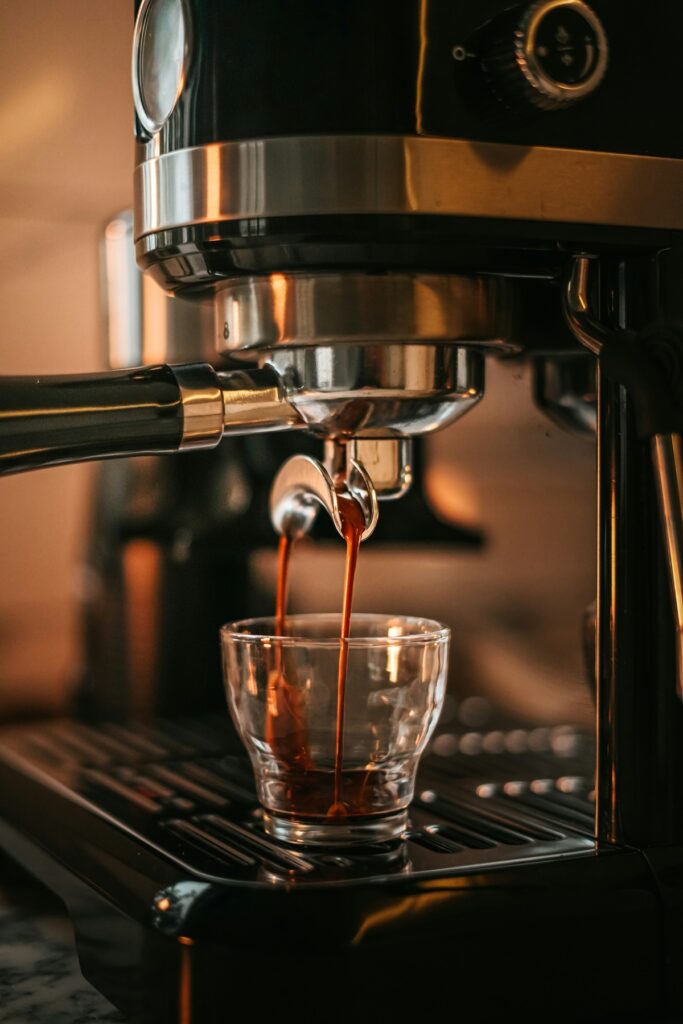
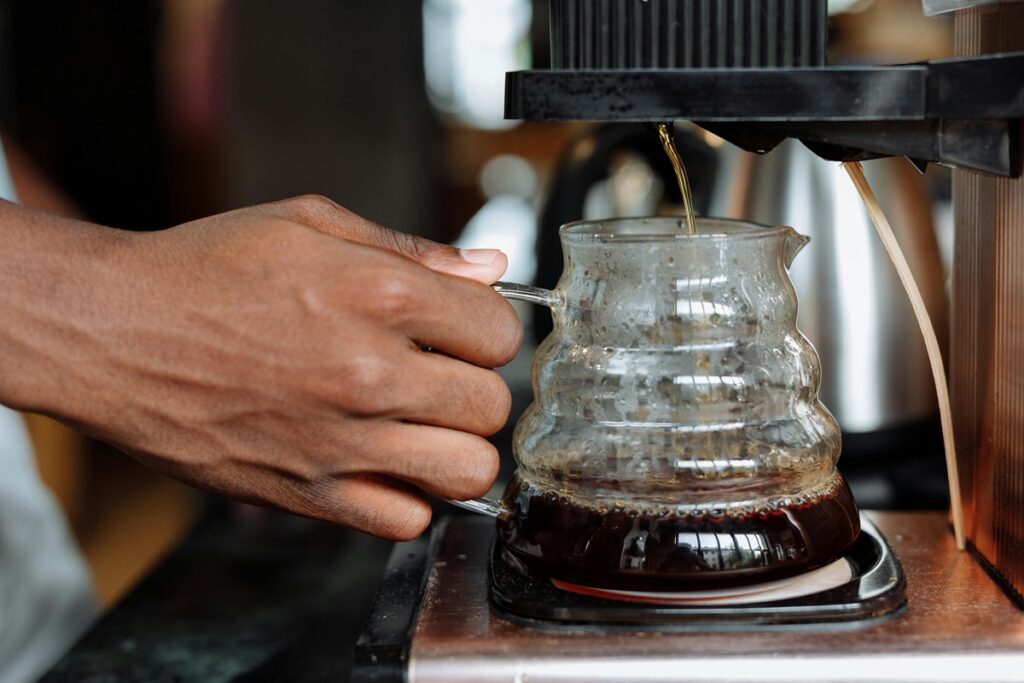
    espresso machine with stainless steel boiler brewing coffee

    Espresso machines with stainless steel boilers are often preferred by buyers concerned about heat stability and long-term material safety.

    This guide focuses on espresso machines that use stainless steel boilers, explaining why they’re often preferred for long-term home use and what trade-offs to consider before choosing one.


    Why Boiler Material Matters in Espresso Machines

    Espresso machines push hot water through coffee grounds at high pressure.
    That means the boiler is exposed to:

    • High temperatures
    • Repeated pressure cycles
    • Daily or near-daily use

    When internal components are coated or made from mixed materials, it becomes harder to evaluate long-term durability and exposure. Stainless steel boilers simplify that equation.


    What Makes Stainless Steel Boilers Different

    Stainless steel is commonly used in professional and commercial espresso machines because it offers:

    • Stability at high temperatures
    • Resistance to corrosion
    • No need for non-stick or chemical coatings

    For home users, stainless steel boilers provide material transparency — you know what hot water is contacting during extraction.


    Advantages of Stainless Steel Boiler Espresso Machines

    Better Long-Term Durability

    Stainless steel boilers tend to handle repeated heating cycles more consistently over time.

    Fewer Unknown Materials

    Unlike coated aluminum or composite designs, stainless steel reduces uncertainty about internal surfaces.

    Easier Maintenance

    They’re generally more tolerant of descaling and routine cleaning, which helps extend machine lifespan.


    Trade-Offs to Be Aware Of

    Stainless steel boiler machines are not perfect for everyone.

    • They often cost more upfront
    • Heat-up times can be longer in some models
    • Machines are usually heavier and larger

    For users making espresso occasionally, these trade-offs may not matter.
    For daily espresso drinkers, durability often outweighs convenience.


    Who Should Consider Stainless Steel Boiler Espresso Machines?

    These machines are best suited for:

    • Home users who brew espresso daily
    • People prioritizing long-term reliability
    • Buyers who prefer fewer internal coatings and simpler material choices

    If convenience or compact size is the top priority, other espresso designs may still be appealing — but material trade-offs should be understood.

    Recommended Espresso Machines with Stainless Steel Boilers

    Here are three well-known home espresso machines that use stainless steel boilers and are often preferred for durability and material clarity.

    Breville Dual Boiler

    • Dual stainless steel boilers
    • Precise temperature control
    • Designed for serious home baristas

    Rancilio Silvia

    • Commercial-style stainless steel boiler
    • Durable internal construction
    • Trusted long-term reliability

    Gaggia Classic Pro (RI9380/46)

    • Stainless steel commercial-style boiler
    • Made in Italy
    • Strong home barista reputation
    • Balanced price-to-performance ratio

    A solid mid-range option for daily espresso users who want stainless steel internal construction without entering the premium price tier.


    How This Fits into a Non-Toxic Kitchen Setup

    Choosing an espresso machine follows the same logic as choosing cookware or appliances:
    simpler materials and fewer coatings generally mean fewer long-term unknowns.

    Stainless steel boilers align well with a safety-first approach without requiring major changes to brewing habits.


    Looking for a Broader Comparison?


    Looking for a complete overview?
    See our full guide to non-toxic coffee machines.

    Related Guides

    • Plastic vs Stainless Steel Coffee Makers: Which Is Safer?
    • Best Plastic-Free Drip Coffee Makers

    Final Thoughts

    Stainless steel boilers are not about chasing perfection — they’re about reducing uncertainty.
    For home espresso users who value durability, consistency, and material clarity, they remain one of the most practical long-term choices available.

    Want a full comparison across drip, pour-over, and espresso models?

  • Plastic vs Stainless Steel Coffee Makers: Which Is Safer?

    When comparing plastic vs stainless steel coffee makers, safety, heat exposure, and long-term durability are the main concerns for daily users.

    The truth is, there’s no single material that’s automatically safe or unsafe. What really matters is how hot water moves through the machine, how long it stays there, and what it touches along the way.

    This guide breaks down the real differences — without marketing noise.


    Plastic Coffee Makers: When They’re Lower Risk

    Plastic coffee makers aren’t inherently dangerous. In fact, many households use them daily without obvious issues.

    They tend to be lighter, more affordable, and faster to heat, which makes them appealing for casual use.

    Plastic-based models can be a lower-risk option when:

    • Brew times are short
    • Hot water doesn’t sit inside internal tubing for long
    • Plastic contact is minimal and indirect

    The main concern arises when hot water stays in contact with internal plastic parts repeatedly over time, especially in machines with complex tubing systems.

    👉 See safer plastic-minimized options here:
    Best Plastic-Free / Low-Plastic Coffee Makers


    Stainless Steel Coffee Makers: Why Many Prefer Them

    Stainless steel is widely favored because it’s stable at high temperatures and less likely to interact with hot liquids.

    Machines that use stainless steel for:

    • Boilers
    • Heating elements
    • Internal water paths

    are generally considered more durable and lower risk for long-term daily use.

    That said, stainless steel machines are often heavier and more expensive, and not every model is fully plastic-free internally. Design still matters.

    👉 Compare stainless-focused machines here:
    Best Non-Toxic Coffee Machines for 2026


    Which Is Actually Safer?

    There’s no universal winner.

    A plastic-heavy machine with short brew cycles may pose less concern than a poorly designed stainless model with mixed internal materials.

    The safest choice depends on:

    • How often you brew
    • How long water stays hot inside the machine
    • What materials touch the water during heating

    Understanding these factors is more important than focusing on material labels alone.


    Final Takeaway

    Choosing a safer coffee maker isn’t about avoiding plastic at all costs or blindly trusting stainless steel.

    It’s about design, usage patterns, and internal construction.

    If you understand those three things, you can make a confident choice — regardless of category.


    Related Guides

    Still deciding which material is best overall?

  • Best Plastic-Free Drip Coffee Makers for Daily Brewing

    non-toxic coffee machine brewing drip coffee

    The best plastic free drip coffee makers focus on minimizing hot water contact with plastic components during brewing.

    This guide focuses on plastic-free and low-plastic drip coffee makers, with an emphasis on internal components that come into contact with hot water during brewing.


    Why Drip Coffee Makers Deserve Extra Attention

    Drip machines operate under conditions that increase material exposure:

    • Hot water passing repeatedly through internal tubing
    • Long contact time between water and internal surfaces
    • Daily or near-daily use

    Even small material differences can matter when exposure is repeated over years.


    What “Plastic-Free” Really Means in Drip Coffee Makers

    Very few drip coffee makers are completely plastic-free.
    In practice, safer designs share these traits:

    • Stainless steel heating elements or boilers
    • Minimal plastic in the hot-water path
    • No non-stick or chemical coatings
    • Simple internal layouts with fewer hidden parts

    “Plastic-free” should be understood as plastic-minimized where heat and water interact, not marketing language.


    Safer Drip Coffee Maker Designs to Look For

    Stainless Steel–Focused Heating Systems

    Drip machines with stainless steel heaters reduce reliance on coated metals or plastic-lined components.
    These designs tend to be more durable and easier to evaluate over time.


    Glass Carafes with Minimal Internal Tubing

    Glass carafes avoid non-stick coatings and help keep the brew path transparent.
    Paired with stainless steel heaters, they form some of the lowest-risk drip setups available.


    Designs That Often Involve More Plastic

    Some drip coffee makers prioritize convenience over material transparency:

    • Ultra-compact or travel-sized machines
    • Models with complex water routing systems
    • Designs emphasizing programmability over simplicity

    These machines are not automatically unsafe, but they usually involve more plastic exposure in hot zones.


    How Plastic-Free Drip Makers Compare to Other Coffee Types

    • Drip coffee makers offer the simplest brew path and lowest pressure
    • Espresso machines introduce pressure but can still be safe with stainless steel boilers
    • Pod machines trade convenience for increased plastic contact

    For most households, a well-built drip machine with stainless steel components remains the most straightforward daily option.


    How This Guide Fits Into a Non-Toxic Kitchen

    Choosing a drip coffee maker follows the same logic as selecting cookware or appliances:
    simpler designs, durable materials, and fewer coatings generally reduce long-term exposure.


    Looking for a Complete Comparison?

    Looking for a complete overview?
    See our full guide to non-toxic coffee machines.


    Final Thoughts

    Plastic-free drip coffee makers are less about perfection and more about reduction.
    By focusing on stainless steel heating elements and simple internal designs, it’s possible to significantly reduce plastic exposure without changing how you brew coffee every day.

    This guide highlights what to look for, not just what to buy.

    Looking for a complete safety comparison beyond drip models?

  • Plastic vs Stainless Steel Coffee Makers: Which Is Safer for Daily Use?

    Plastic vs stainless steel coffee makers — which is safer for daily use?

    When choosing a coffee maker, most buyers compare taste, price, or convenience.

    Hot water, acidity, and repeated heating mean that whatever a coffee maker is made of comes into regular contact with what you drink. This guide compares plastic coffee makers and stainless steel coffee makers from a safety-focused perspective.


    Why Coffee Maker Materials Matter

    Coffee machines operate under conditions that increase material interaction:

    • Hot water flowing repeatedly through internal parts
    • Acidic liquid in contact with internal surfaces
    • Daily or multiple-times-a-day use

    Over time, internal materials—not just the exterior—become part of the equation.


    Plastic Coffee Makers: Pros and Trade-Offs

    Advantages

    • Lightweight and affordable
    • Often more compact
    • Widely available

    Safety Concerns

    • Plastic water reservoirs and tubing may contact hot water
    • “BPA-free” does not mean plastic-free
    • Internal materials are often not clearly disclosed

    Plastic coffee makers are not automatically unsafe, but they involve greater uncertainty, especially for long-term daily use.


    Stainless Steel Coffee Makers: Why Many Prefer Them

    Advantages

    • Stainless steel boilers and heaters handle heat without coatings
    • More durable over long periods
    • Fewer unknown materials in the brew path

    Trade-Offs

    • Higher upfront cost
    • Heavier and often larger

    For users prioritizing safety and longevity, stainless steel components reduce guesswork.


    Which Is Safer for Daily Brewing?

    There is no perfect zero-risk option, but the comparison is clear:

    • Plastic-heavy designs prioritize cost and convenience
    • Stainless steel-based designs prioritize durability and material transparency

    For people brewing coffee every day, minimizing plastic exposure in the hot-water path is often the deciding factor.


    Common Misunderstandings

    • Stainless steel exterior ≠ stainless steel interior
    • BPA-free ≠ chemical-free
    • Brand reputation does not guarantee internal material safety

    Always look beyond marketing labels.


    Recommended Coffee Makers by Material Type

    Stainless Steel–Focused Options

    • Drip coffee makers with stainless steel heaters
    • Espresso machines with stainless steel boilers

    Plastic-Based Options (Lower-Risk Use)

    • Machines with short brew times
    • Models with minimal internal tubing

    How This Fits Into a Non-Toxic Kitchen

    Material choices in coffee makers follow the same logic as cookware and appliances:
    fewer coatings, simpler designs, and durable materials tend to reduce long-term exposure.

    Looking for a Complete Comparison?

    Looking for a complete overview?
    See our full guide to non-toxic coffee machines.

    Still deciding which material is right for you?

    See our complete non-toxic coffee makers guide for side-by-side comparisons, plastic-free options, and stainless steel picks for 2026.

  • Best Non-Toxic Coffee Makers 2026 (Plastic-Free & Stainless Picks)

    non-toxic coffee machine in home kitchen

    Looking for the best non-toxic coffee maker in 2026?

    We compared plastic-free, stainless steel, and glass coffee makers with minimal plastic in the brew pathway to help you choose a safer daily option.

    Many traditional coffee machines contain plastic components that come into contact with hot water. Over time, heat and repeated use may increase concerns about chemical leaching.

    In this guide, we compare the best non-toxic coffee makers for 2026, focusing on:

    • Plastic-free brewing paths
    • Stainless steel internal components
    • Glass contact materials
    • BPA-free construction

    Whether you prefer drip, pour-over, or espresso, these picks prioritize material safety without sacrificing performance.


    What Makes a Coffee Maker “Non-Toxic”?

    When evaluating a plastic-free coffee maker, look for:

    • Stainless steel water boilers
    • Glass carafes
    • Minimal plastic contact with hot water
    • BPA-free certified components
    • Durable heating elements

    The key is reducing prolonged hot water contact with plastic wherever possible.

    Many buyers searching for the best non toxic coffee makers 2026 are specifically looking for stainless steel or glass brewing systems.

    How to Choose a Non Toxic Coffee Maker

    When choosing the best non toxic coffee makers 2026, focus on materials first.

    Look for stainless steel boilers, minimal plastic contact, and BPA-free certification. Glass carafes are also preferred because they eliminate plastic exposure during brewing.

    Durability, heat stability, and ease of cleaning should also influence your decision. A well-built coffee maker not only improves taste consistency but also reduces long-term material degradation.

    Quick Comparison Table

    ModelMaterial FocusTypeBest For
    OXO Brew 9 CupStainless SteelDripEveryday Use
    TechnivormStainless SteelDripPremium Build
    Willow 10 CupGlassDripPlastic-Free Focus
    Bodum Pour OverGlassManualMinimalist Brewing
    AeroPressPlastic + Metal OptionCompactSmall Spaces
    Breville PrecisionStainless + ThermalAdvancedCoffee Enthusiasts

    Best Non-Toxic Coffee Makers 2026


    🥇 OXO Brew 9 Cup Stainless Steel Coffee Maker

    Best For: Daily drinkers who want minimal plastic exposure.

    A strong balance between safety, performance, and price.

    Why it stands out:

    • Stainless steel internal boiler
    • BPA-free components
    • Consistent temperature control
    • SCA-certified brewing performance

    Ideal for daily home use without excessive plastic exposure.


    🥈 Technivorm Moccamaster KBGV Select

    Best For: Daily drinkers who want minimal plastic exposure.

    A premium stainless steel coffee maker known for durability.

    Highlights:

    • High-quality stainless steel heating system
    • Long lifespan
    • Minimal plastic contact
    • Consistent extraction

    Best for long-term investment and build quality.


    🥉 Willow 10 Cup Glass Drip Coffee Maker

    Best For: Daily drinkers who want minimal plastic exposure.

    If you want glass contact during brewing, this is a strong option.

    Features:

    • Glass carafe
    • BPA-free materials
    • Simple design
    • Reliable drip brewing

    A good choice for plastic-conscious households.


    ☕ Bodum Pour Over Coffee Maker (Glass)

    Best For: Daily drinkers who want minimal plastic exposure.

    A manual brewing option with zero plastic contact in the brew path.

    Why consider it:

    • Borosilicate glass
    • Stainless steel mesh filter
    • Minimal components
    • Full control over extraction

    Perfect for those who prefer simple, clean brewing methods.


    🔥 Best Compact Option: AeroPress (Metal Filter Recommended)

    Best For: Daily drinkers who want minimal plastic exposure.

    For small kitchens or studio apartments:

    • Compact footprint
    • Fast brew time
    • Optional stainless steel filter
    • Travel-friendly design

    Using a metal filter minimizes plastic exposure during brewing.


    💎 Premium Pick: Breville Precision Brewer Thermal

    Best For: Daily drinkers who want minimal plastic exposure.

    For advanced users who want control and durability:

    • Stainless steel thermal carafe
    • Adjustable brewing modes
    • Consistent temperature control
    • High-end build quality

    Best suited for enthusiasts seeking performance and safety balance.


    Plastic vs Stainless Steel Coffee Makers: Which Is Safer?

    Stainless steel is generally considered more durable and resistant to heat-related degradation.

    Plastic components can be safe if BPA-free, but prolonged hot water exposure may concern some buyers.

    If safety is your priority, stainless steel or glass contact materials are the preferred options.


    Final Recommendation

    For most households:

    Upgrading to a non-toxic coffee maker helps reduce unnecessary plastic exposure while improving brew quality.

    Ready to upgrade your brewing setup?

    Frequently Asked Questions

    What is the safest material for a coffee maker?

    The safest material for a coffee maker generally depends on where hot water makes contact. Stainless steel and glass are often preferred because they do not require non-stick coatings and are chemically stable at high temperatures. The key factor is minimizing plastic exposure in the brew pathway.


    Are stainless steel coffee makers better than plastic?

    Stainless steel coffee makers are often considered more durable and material-transparent than plastic models. While plastic is not automatically unsafe, stainless steel reduces uncertainty about internal coatings and long-term heat exposure. For daily brewing, many buyers prefer stainless steel for durability and simplicity.


    Do coffee makers contain PFAS?

    Most coffee makers do not rely on traditional non-stick PFAS coatings like cookware does. However, internal materials vary by model. Buyers concerned about PFAS typically look for minimal coatings, stainless steel internal components, and simplified construction. You can read a full breakdown in our guide on whether coffee makers contain PFAS.

  • Best PFAS-Free Air Fryer Liners (Safer Cooking Without the Chemicals)

    PFAS-free air fryer liners

    Air fryers are loved for fast, crispy cooking—but many users don’t realize that what touches their food can matter just as much as how it’s cooked.

    If you’re trying to avoid unnecessary chemical exposure, PFAS-free air fryer liners are one of the simplest upgrades you can make. The problem? Not all liners labeled “safe” actually are.

    This guide highlights air fryer liners that are PFAS-free, heat-safe, and actually practical for daily use.


    🔍 What Are PFAS—and Why Avoid Them?

    PFAS (often called “forever chemicals”) are commonly used in non-stick coatings.
    They’re heat-resistant, but they don’t break down easily—and many people prefer to keep them out of food contact whenever possible.

    If you use your air fryer frequently, switching to PFAS-free liners is a low-effort way to reduce exposure without changing how you cook.


    🥇 Best PFAS-Free Air Fryer Liners

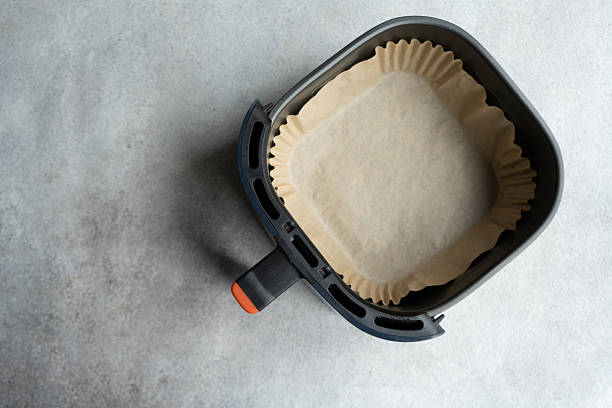
    1. Unbleached Parchment Paper Liners (Disposable)

    Best for: Everyday cooking, zero cleanup

    • Made from unbleached parchment paper
    • No PFAS, no silicone coating
    • Designed for high-heat air fryer use
    • Great airflow when perforated

    2. Reusable Silicone Liners (Food-Grade)

    Best for: Long-term use & reducing waste

    • PFAS-free, BPA-free food-grade silicone
    • Heat-resistant and dishwasher safe
    • Works well for vegetables, frozen foods, and meats

    3. Compostable Air Fryer Liners

    Best for: Eco-focused kitchens

    • Plant-based materials
    • PFAS-free and chlorine-free
    • Designed to break down naturally after disposal

    ⚠️ Common Mistakes When Using Air Fryer Liners

    • ❌ Blocking airflow with oversized liners
    • ❌ Using liners not rated for air fryer temperatures
    • ❌ Assuming “non-stick” automatically means safe

    Always check heat ratings and make sure liners are designed specifically for air fryers.


    ✅ Final Thoughts

    Switching to PFAS-free air fryer liners won’t change how your food tastes—but it can change how confident you feel about what touches your meals.

    They’re inexpensive, easy to use, and one of the simplest safety upgrades you can make in your kitchen.


    🔗 Related Guides

  • 5 Best PFAS-Free Air Fryers for 2026: Top Non-Toxic Picks for Your Family

    5 Best PFAS-Free Air Fryers for 2026: Top Non-Toxic Picks for Your Family

    If you’re searching for the best PFAS free air fryer in 2026, this guide breaks down the safest non-toxic options available today.

    Disclosure: This post contains affiliate links. As an Amazon Associate, we earn from qualifying purchases.

    Are you worried about the chemicals hiding in your kitchen appliances?

    Many popular air fryers still rely on non-stick coatings that may contain PFAS, PFOA, or PTFE (often referred to as Teflon). At high temperatures, these coatings can degrade and release fumes that health-conscious families would rather avoid.

    If you’re upgrading your kitchen in 2026, choosing a PFAS-free air fryer is one of the simplest ways to reduce unnecessary chemical exposure—without giving up crispy, convenient cooking.

    After researching manufacturer disclosures, material certifications, and long-term user feedback, I narrowed the list down to five air fryers that prioritize non-toxic materials and real-world performance.


    Why Choose a PFAS-Free Air Fryer?

    If you want a deeper breakdown of material safety (ceramic vs stainless vs glass), read our full comparison guide below:

    Traditional non-stick coatings can begin to break down at high heat. While not every non-stick surface is dangerous, many buyers now prefer to avoid “forever chemicals” altogether.

    The safest alternatives include:

    • Ceramic coatings explicitly labeled PFAS-, PTFE-, and PFOA-free
    • Stainless steel interiors with no coating at all
    • Glass components, which are completely inert and odor-free

    As more brands update materials in 2026, PFAS-free models are easier to find—but clear labeling still matters.

    If kitchen noise is also a concern—especially in apartments or shared living spaces—explore our dedicated guide below:


    How I Chose These PFAS-Free Air Fryers

    This list is based on manufacturer safety disclosures, third-party material certifications where available, and verified user reviews that specifically mention odor, coating durability, and high-temperature performance.

    Models with vague “non-stick” claims or unclear material documentation were excluded.


    Important Note on “PFAS-Free” Claims

    Not all ceramic coatings are created equal.

    For this article, PFAS-free refers only to models that are explicitly marketed by the manufacturer as PTFE-, PFOA-, and PFAS-free at the time of writing. Always check the latest product documentation before purchasing, as materials and formulations can change.


    Best PFAS-Free Air Fryers Compared (2026)

    Not Sure Which PFAS-Free Air Fryer to Choose?

    • For families and everyday use → Ninja AF150AMZ
    • For completely coating-free cooking → Big Boss 16Qt
    • For modern design with PFAS-free ceramic → Paris Rhône 4L XL
    • For stainless steel interior with oven-style versatility → Instant Pot Omni Plus
    • For small kitchens and budget buyers → Dash Tasti-Crisp

    Scroll down for full reviews and current pricing.

    If you prefer a fully stainless steel interior with no coating at all, see the stainless option below.

    Quick Comparison: Material & Safety Overview (2026)

    Product Material Coating Status Best For Action
    Ninja AF150AMZ Ceramic-Coated Basket PTFE & PFOA-Free Families & Everyday Use 🔵 See Today’s Price on Amazon →
    Big Boss 16Qt Fully Glass Bowl No Coating (Fully Glass) Buyers Wanting Zero Coatings 🔵 See Today’s Price on Amazon →
    Paris Rhône 4L XL Ceramic-Coated Basket Marketed PFAS-Free Modern Kitchens & Medium Households 🔵 See Today’s Price on Amazon →
    Instant Pot Omni Plus 18L Stainless Steel Interior No Traditional Non-Stick Large Capacity & Oven-Style Cooking 🔵 See Today’s Price on Amazon →
    Dash Tasti-Crisp Ceramic-Coated Basket Marketed PFAS-Free Small Kitchens & Budget Buyers 🔵 See Today’s Price on Amazon →

    Our Top Picks Most Buyers Compare First:

    Alternative PFAS-Free Ceramic Option:

    1. The Premium Ceramic Pick: Ninja AF150AMZ (Ceramic-Coated Basket)

    Ninja AF150AMZ is a popular ceramic-coated basket model designed for families who want PFAS-free cooking without sacrificing performance. The basket is explicitly marketed as PTFE- and PFOA-free, offering a safer alternative to traditional non-stick coatings while maintaining strong cooking results.

    Best For: Families who want one appliance for air frying, roasting, broiling, and baking.

    Pros:

    • Durable ceramic coating
    • Easy to clean
    • Strong brand quality control

    Cons:

    • Takes up more counter space

    Why It Made the List: Ninja AF150AMZ stands out as one of the more clearly documented PFAS-free ceramic basket models from a mainstream brand with consistent manufacturing standards.


    2. The Stainless Steel Powerhouse: Instant Pot Omni Plus 18L (10-in-1 Toaster Oven Air Fryer)

    If you want to avoid coatings altogether, the Instant Pot Omni Plus 18L is a toaster-oven-style air fryer featuring a stainless steel interior designed for high-heat cooking without traditional non-stick coatings.

    Best For: Buyers who want zero chemical coatings and a large cooking capacity.

    Pros:

    • Stainless steel interior
    • Large 18L / 19QT capacity
    • Multi-functional 10-in-1 design

    Cons:

    • Larger countertop footprint
    • Digital controls take time to learn

    Why It Made the List: The Instant Pot Omni Plus 18L stands out as a true coating-free stainless steel option for users who prioritize material transparency and oven-style versatility.


    3. The Fully Glass Option: Big Boss 16Qt Glass Air Fryer

    Unlike traditional basket-style models, the Big Boss 16Qt uses a fully transparent glass bowl combined with halogen heating technology. With no coated basket involved, it offers one of the most chemically minimal cooking surfaces available in the air fryer category.

    Best For: Buyers who want completely inert cooking materials and full visibility while cooking.

    Pros:

    • Fully glass cooking bowl
    • No non-stick coating
    • Large 16-quart capacity
    • Transparent design for monitoring food

    Cons:

    • Bulkier countertop footprint
    • Analog-style controls

    Why It Made the List: Big Boss stands out as one of the few widely available glass-based air fryers, offering a coating-free alternative for users who want maximum material transparency.


    4. A Stylish Ceramic Alternative: Paris Rhône 4L XL Air Fryer (PFAS-Free Basket)

    Paris Rhône 4L XL Air Fryer combines a modern, minimalist design with a ceramic-coated basket marketed as PFAS-free. While not a stainless or fully glass model, it provides a balanced ceramic option for buyers who prefer a non-toxic coating in a compact format.

    Best For: Style-conscious cooks and medium-sized households.

    Pros:

    • Quiet operation
    • Rapid 360° air circulation
    • Compact, modern design

    Cons:

    • Ceramic-coated basket (not fully coating-free)
    • Exterior can get warm during use

    Why It Made the List: Paris Rhône offers a well-positioned PFAS-free ceramic alternative with strong user feedback on odor-free cooking and design appeal.


    5. Best Compact Budget Pick: Dash Tasti-Crisp Ceramic Air Fryer

    Dash Tasti-Crisp is a compact ceramic-coated air fryer marketed as PFAS-free, making it a practical option for small kitchens, dorm rooms, and apartments. It offers a simple, lightweight design for buyers who prioritize space efficiency and affordability.

    Best For: Singles, students, dorms, RV kitchens, and small households.

    Pros:

    • Lightweight and affordable
    • Ceramic-coated basket
    • Minimal countertop footprint

    Cons:

    • Small capacity
    • Limited advanced features

    Why It Made the List: Dash Tasti-Crisp provides an accessible entry point into PFAS-free ceramic cooking for buyers with limited space and budget.


    Conclusion: Which PFAS-Free Air Fryer Should You Buy?

    For a complete side-by-side comparison of material safety and long-term durability, explore our detailed non-toxic guide:

    There is no single “best” PFAS-free air fryer for everyone.

    If you want versatility for a family kitchen, Ninja AF150AMZ is a strong all-around ceramic option.
    If you want to avoid coatings entirely, Instant Pot Omni Plus 18L offers stainless steel peace of mind.
    If you prefer fully inert glass materials, Big Boss 16Qt stands out as a transparent alternative.
    If you’re short on space or budget, Dash Tasti-Crisp keeps things simple and compact.

    If you’re replacing an older non-stick model, check current Amazon pricing—PFAS-free air fryers often sell out faster than standard versions.

    Choosing safer materials is a long-term investment in your kitchen and your health.

    Prices and availability can change quickly, especially for clearly labeled PFAS-free models.

    Ready to upgrade your kitchen to a safer PFAS-free model?

  • quiet air fryer for shared apartment: Why it’s trending in the U.S. today

    An air fryer is a kitchen appliance designed to cook food by circulating hot air around it. It offers a way to prepare fried-style dishes using less oil compared to traditional frying methods. Air fryers come in various sizes and designs to suit different cooking needs.

    In shared apartments, where multiple people use the same kitchen space, a quiet air fryer can help reduce noise disturbances. This type of air fryer aims to operate with minimal sound, making it easier to use without interrupting others in the living environment.

    Choosing the right quiet air fryer depends on factors like kitchen size, noise sensitivity of roommates, cooking habits, and available counter space. Different households may prioritize features such as capacity, noise level, or ease of cleaning based on their unique living situations.

    What Is quiet air fryer for shared apartment?

    A quiet air fryer for a shared apartment is an air fryer model designed to produce lower operational noise compared to standard air fryers. It typically includes noise-reducing components or design elements that limit sound during cooking cycles.

    These air fryers are commonly used in environments where noise levels need to be controlled, such as apartments with thin walls or multiple occupants. They serve the purpose of preparing meals efficiently while minimizing disruption to others nearby.

    Quick Decision Guide

    • Best for individuals or groups living in close quarters who want to minimize kitchen noise.
    • Less suitable for those who prioritize maximum cooking capacity over noise levels.
    • Prioritize noise level ratings, size, cooking capacity, and ease of cleaning.
    • Trade-offs often include balancing quieter operation with cooking speed or appliance size.
    • Does the air fryer fit the available kitchen space? Is the noise level acceptable for roommates? Does it meet cooking volume needs? Is it easy to clean? Does it have safety features suitable for shared use?

    Key Features That Matter

    Noise level is a key feature, often measured in decibels, indicating how loud the appliance is during operation. Cooking capacity refers to the amount of food the air fryer can handle at once, which affects how many servings can be prepared. Ease of cleaning involves removable parts and dishwasher-safe components that simplify maintenance. Safety features may include automatic shut-off and cool-touch exteriors to prevent accidents in shared spaces.

    When comparing options, consider that quieter models might have smaller fans or slower cooking times. Larger capacity air fryers may produce more noise due to bigger motors. Balancing these factors depends on which features align best with the living environment and cooking needs.

    Common Mistakes Buyers Make

    Some buyers assume all air fryers operate at similar noise levels, overlooking the importance of noise specifications. Others may focus solely on size or cooking speed without considering how noise impacts shared living spaces. Additionally, neglecting to check cleaning requirements can lead to inconvenient maintenance.

    To avoid these issues, reviewing product details related to noise and cleaning is useful. Considering how the appliance fits into the shared kitchen environment and daily routines can help clarify which features are most relevant.

    What Could Change Your Choice Later?

    Over time, changes in household composition or kitchen layout may affect the suitability of a quiet air fryer. Maintenance needs such as filter replacement or part wear can influence long-term usability. Noise tolerance levels might also shift depending on changes in living arrangements or schedules.

    Considering these factors with a flexible approach allows for adjustments as circumstances evolve. Evaluating ongoing needs and appliance condition can support continued satisfaction with the choice made.


    Check out our expert’s top picks:

  • quiet air fryer for thin walls: Why it’s trending in the U.S. today

    An air fryer is a kitchen appliance designed to cook food by circulating hot air around it. This method allows for frying, baking, grilling, and roasting with less oil compared to traditional frying methods. Air fryers come in various sizes and designs to fit different cooking needs and kitchen spaces.

    People use air fryers to prepare meals more quickly and with less mess than conventional ovens or stovetops. They are often chosen for their ability to produce crispy textures while reducing fat content in foods. Quiet air fryers are specifically designed to operate with minimal noise, which can be important in shared living spaces or quiet environments.

    Choosing the right air fryer depends on individual household needs, including kitchen size, noise sensitivity, and wall construction. Thin walls may require consideration of noise levels to avoid disturbing neighbors or other rooms. The selection process involves balancing features like capacity, noise output, and cooking performance based on these constraints.

    What Is quiet air fryer for thin walls?

    A quiet air fryer for thin walls refers to an air fryer model engineered to produce lower noise levels during operation, suitable for environments where sound transmission through thin walls is a concern. These models often incorporate sound-dampening materials or design elements to minimize operational noise.

    Such air fryers are commonly used in apartments, shared housing, or small homes where kitchen noise can easily travel to adjacent rooms or units. They serve the purpose of providing the cooking benefits of an air fryer while reducing potential disturbances caused by noise.

    Quick Decision Guide

    • Best for individuals living in apartments or homes with thin walls seeking quieter kitchen appliances.
    • Less suitable for those who prioritize maximum cooking capacity over noise levels.
    • Prioritize noise output ratings, cooking capacity, and appliance size relative to kitchen space.
    • Expect trade-offs between noise reduction features and cooking speed or capacity.
    • Does the air fryer fit the available kitchen space? Is noise level appropriate for your living situation? Does the capacity meet your cooking needs? Are the cleaning and maintenance requirements manageable? Is the appliance safe for your household environment?

    Key Features That Matter

    Noise level is a key feature, often measured in decibels, indicating how loud the air fryer operates. Cooking capacity refers to the volume of food the appliance can handle at once, usually expressed in quarts or liters. Size and design affect how well the air fryer fits in limited kitchen spaces and how easily it can be stored. Additional features like timer settings, temperature control, and ease of cleaning also impact user experience.

    When comparing options, consider the balance between noise reduction and cooking performance. Models with enhanced sound insulation may have slightly longer cooking times or smaller capacities. Evaluating product specifications and user feedback on noise and cooking results can help identify suitable options without focusing on specific brands.

    Common Mistakes Buyers Make

    Common misunderstandings include assuming all air fryers have similar noise levels, overlooking the impact of kitchen layout on sound transmission, and underestimating the importance of appliance size for small kitchens. Some buyers may also neglect to consider cleaning complexity or safety features relevant to their household.

    Careful evaluation of noise ratings, kitchen space measurements, and feature lists can help avoid these mistakes. Reviewing product details related to maintenance and safety ensures the appliance aligns with household requirements without relying on assumptions.

    What Could Change Your Choice Later?

    Over time, changes in living arrangements, such as moving to a different home or changes in household members, may affect noise tolerance and space availability. Regular maintenance needs, cleaning routines, and potential wear on noise-dampening components can influence long-term satisfaction. Safety considerations may evolve, especially in households with children or pets.

    Considering these factors with a flexible approach allows for adjustments in appliance choice or usage habits as circumstances change, without assuming specific future needs or outcomes.

    Looking for a complete guide?
    Read our full Non-Toxic Air Fryer Buying Guide here.